

Buying a new bike is one of the most exciting investments a person can make. But whether you’re looking to go faster at the group ride, commute more easily day to day, or find peace and quiet on a gravel trail, choosing the right one is important!
Here are ten essential questions to ask yourself before you head to the bike shop and pull out the credit card.
The modern bike market is more complicated than ever. Specialized sub-categories of bikes, from gravel, to aero, enduro, downcountry, and even e-bikes, have made it unfortunately easy to get overwhelmed. Are you stuck in spec sheets and marketing jargon? How can you ensure you end up with a bike you’ll actually ride?
Read more: When is the best time of year to buy a bike?
To avoid buying a new piece of wall art for your garage, you might need to engage in some “soul-searching”…
Without further ado, here are 10 questions that will help to narrow down your bike search and ensure you end up with something you’re happy with:
1. Where will I actually ride 80% of the time?
Yes, it’s super easy to buy a bike for the person you hope to be! Is that the one who spends weekends bikepacking across beautiful mountains, or racing the best-of-the-best at a local crit?
If your reality looks more like a 20-mile loops on a mixed use path, a heavy-duty mountain bike will be a burden. And if you are new to cycling, an aero race bike might be uncomfortable… enough so to dissuade you from riding at all.
What to do? First, be honest about your geography. If your local terrain is pancake flat, then you probably don’t need a massive range of gears like you find on a mountain bike. If your routes are going to be potholed and rough, or involve gravel or other forms of off-road riding, you might prioritize tire clearance over aerodynamic frame shapes.
You also need to be realistic about your fitness. If you aren’t used to riding a bike, don’t get a bike that’s going to be straight-up difficult for you to ride: you want to get a more relaxed geometry, or a more upright position in general. The best bike is the one that’s right for you, not necessarily any outside metric of what cyclists “should” ride at a certain level.
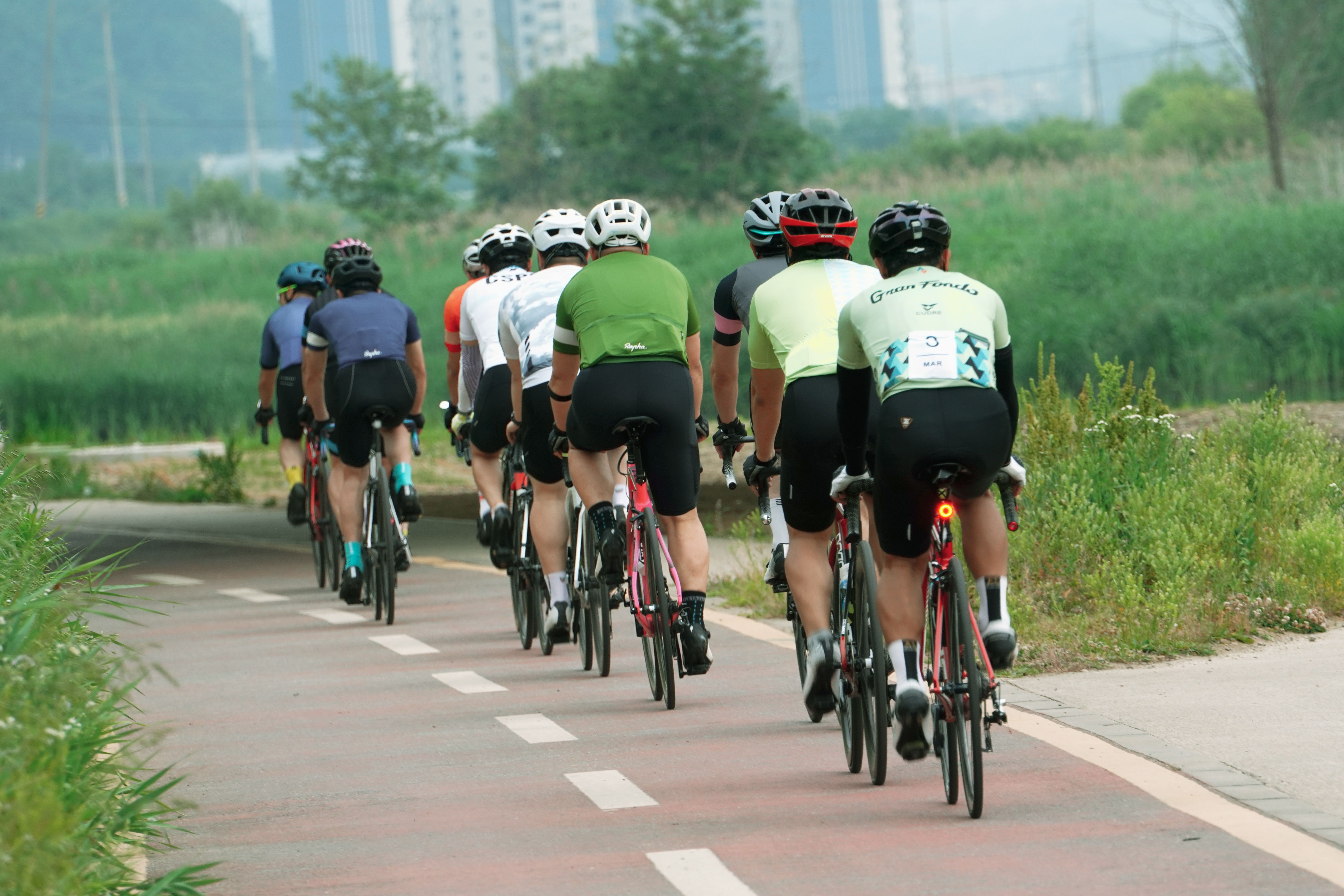
Image from Pexels.
2. Do I want the bike to do the work, or do I want to do the work while riding?
No doubt, e-bikes have revolutionized cycling for the average casual. When you have pedal assist turned on, it can make hills disappear and heavy groceries feel pretty weightless.
But for some, having an easy ride isn’t the goal. Ask yourself if you have a primary goal about fitness and ability, or if you simply want to use the bike as a transport tool.
That can encompass your enjoyment of riding: if you want to get out into nature and the outdoors, you might not be worried about building fitness, and an e-bike might be the right fit. And if you want to arrive at work without needing a shower, an e-bike is the clear winner!
But if you value the physical challenge of riding, and want to get in better shape? You may want to stick to human power alone.
Read more: Discover 10 goals for beginner cyclists to pursue in the new year.
3. Do I need a highly specialized bike for my needs?
There are bikes out there that can do everything passably well. If you’re looking for something highly specialized, though, it might not be the right choice.
Which bike is the best all-rounder? Some choose gravel bikes for their versatility. After all, they’re fast enough to ride on the road but tough enough to take on light trails as well. They also have a wider tire clearance to more tire options: more on that later.
If you know you only care about high-speed group rides on smooth pavement, a dedicated road bike will always feel “snappier” than a gravel option. It’s only up to you to decide whether you want a Swiss Army knife or to focus in!
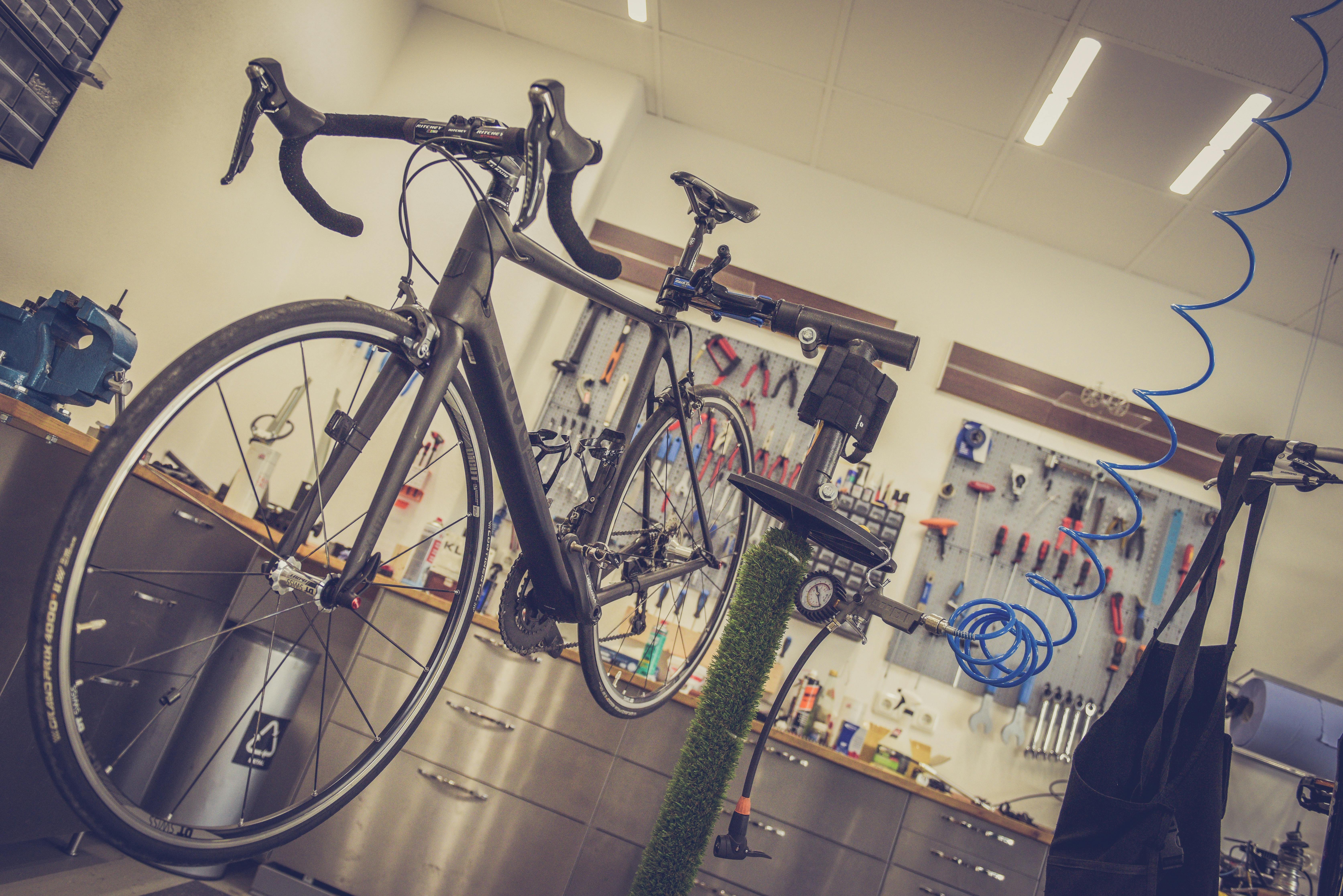
Image from Pexels.
4. Am I ready for costs of maintenance?
Many first-time bike shoppers believe they can or should go slightly above their desired budget. What they often don’t realize is that more expensive bikes are more expensive over their lifetime, even beyond the initial purchase.
Why is this? High-performance features can come with high-performance maintenance requirements. For example, hydraulic disc brakes offer incredible stopping power, but they can require “bleeding” or specialized tools to work on. Full-suspension mountain bikes also have pivots and shocks that need annual servicing.
If you want a bike that you can ignore for six months and then ride instantly, look for simpler features like mechanical shifting, rim brakes (where available), or even an internal gear hub.
Read more: Is a hybrid bike right for you?
5. What is my ideal tire clearance?
In modern cycling, tires are actually a pretty important component for comfort and enjoyment on the bike.
Narrow, high-pressure tires are fast, but feel punishing for beginners. Wider tires (32mm to 45mm+) allow for lower pressures, which soak up the road vibration and provide better grip.
Which to choose? You don’t have to get new tires right away, but before buying a new bike, always check the frame’s maximum tire clearance. If the bike comes with narrow tires, you’ll have the option to go wider later. This is a crucial bit of future-proofing!
6. Carbon, aluminum, or steel: which frame material am I looking at?
Frame material dictates the fundamentals of your ride. Choosing the right material helps a TON with enjoying your new bike!
Carbon fiber is light and stiff, perfect for racing and performance. But it’s expensive, and can also be fragile if crashed.
Aluminum is cost-effective and stiff (not a bad thing in this context). It likely offers the best “bang for your buck” in terms of components.
Steel (or titanium, which is somewhat less common) offers a supple riding experience. This quality is one that many long-distance riders swear by! Steel bikes are extremely comfortable and durable.
7. Does the groupset match my needs?
Beginners might not even know what a groupset entails on a new bike, and are thrown off by all the Shimano and SRAM terminology floating around!
The groupset is the gears and brakes, it’s the real engine of your bike. And while it’s tempting to always go for the top-tier professional gear, the middle-of-the-road choices (like Shimano 105 or SRAM Rival) often offer 95% of the performance for 50% of the price.
Do you realistically plan on riding thousands of miles a year? In that case, investing in electronic shifting (Shimano Di2 or SRAM eTap) is a genuine quality-of-life upgrade. It can reduce missed shifts and cable maintenance, some things you’ll notice if you’re riding a lot… and probably won’t care about if you are just starting out.
8. Frame mounting points differ based on use — how many and what kinds do I need?
Believe me: you might start as a fair-weather rider, but three months from now, you might want to add fenders for rain or a rack for panniers. This is especially true for bike commuters, who need to ride in all weather conditions!
But here’s the problem. Many “race” bikes lack mounting holes, primarily to save weight and maintain a clean look. Whereas frames and bikes that are geared towards commuters or even more casual consumers will include different mounting options.
So if there is even a 10% chance you’ll want to carry luggage or stay dry in the mud on this new bike, it’s a good idea to ensure the frame has the necessary eyelets and bolts.
9. How do I want to feel in the saddle?
And no, it’s not just vibes! For this, we need to go a bit deeper into geometry.
Some bikes are designed for an aggressive racing fit. These bikes are long and low, and they require significant core strength and flexibility from their riders. Others place the handlebars higher and closer to the rider, a geometry called “relaxed” or “endurance” fit.
Do you have lower back issues? Or just want to enjoy the scenery on your rides, not go fast? Avoid road bikes labeled with terminology like pro-tour, race-ready, or aero. Instead, endurance or all-road labeling will point you in the right direction for a more relaxed riding experience.
10. What do I know that I need to buy beyond the bike?
As mentioned above, sometimes new buyers are willing to exceed their budget slightly. But buyer beware! The price tag on the bike is always rarely the final cost.
When buying a new bike, you must account for the essentials: a high-quality helmet, a floor pump, a basic multi-tool, and perhaps a bike fit depending on your needs. Spending $200 on a bike fit can make a $1,000 bike feel better than a $5,000 bike that doesn’t fit you correctly.
How should you prepare for these expenses? Plan to save at least 15% of your total budget for these accessories and services, possibly more if you are going for a bike fit.
Read more: Pieces of must-have gear for beginners? Read our complete guide.

Image from Pexels.
Are you ready to find your perfect match?
A bike might look fast and fun in the shop, but if it hurts your neck after twenty minutes, it’s one to avoid. But don’t be discouraged! A bike that might look “boring” but fits like a glove and handles your desired rides with ease will become your best friend.
One last piece of advice? Just take your time. Test ride as many styles and brands as possible at your local bike shop. But also ask these ten questions to yourself, and be brutally honest with your answers. The goal isn’t to buy the best bike in the world, but rather to buy the best bike for you.
Once you find your perfect match, the miles will start racking up, and your enjoyment of cycling will really begin!
Are you shopping for a new bike? What questions are you asking yourself during the search? Let us know in the comments or on social media! ★



Leave a Reply