

It’s been an occasionally rocky road for the Belgian star, although he’s not been without his big victories. What’s next for Remco? And is he really living up to the hype in 2026 so far?
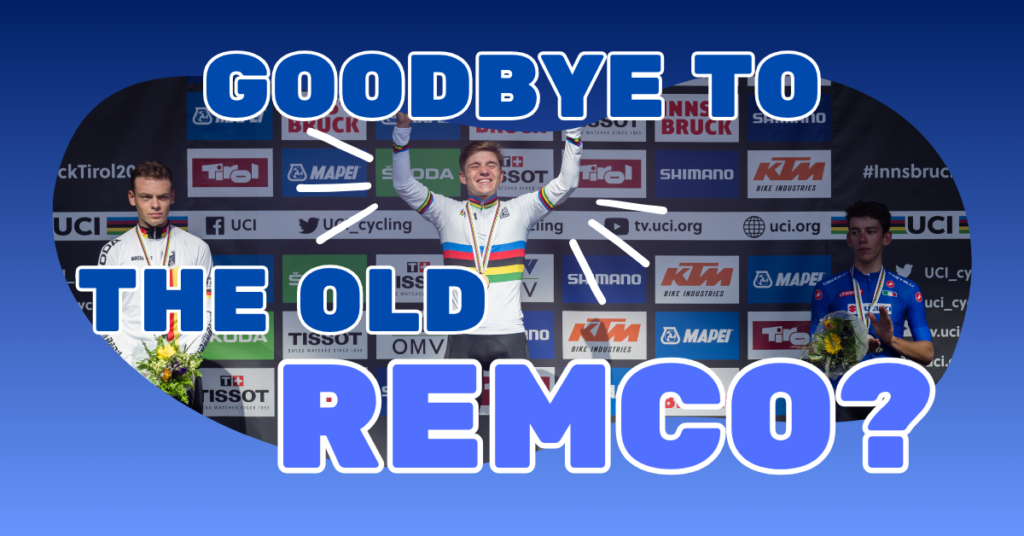
Since Remco Evenepoel handed in his “Wolfpack” kit to move to team Red Bull Bora–Hansgrohe this year, cycling fans across the world have been holding their breath. A big transfers of this magnitude, with a generational talent like Remco jumping ship to the sport’s newest “superteam,” merits a watch. This level of expectation could swallow a rider whole… but not Evenepoel!
But is it possible that as April in the 2026 season, this star just isn’t living up to his reputation as one of the best in the sport? Instead, he’s actively evolving… and we’ll get to see where he goes next.
Embed from Getty ImagesBeyond a time trial specialist.
For years, the critique of Evenepoel was pretty predictable. He is the best in the world against the clock in ITTs, and he’s a master of the long-range solo… but he can be found wanting in high-stakes finishes, when tactics come into play, or on challenging climbs.
His 2026 campaign has started to dismantle some of these arguments, but there’s still work to be done.
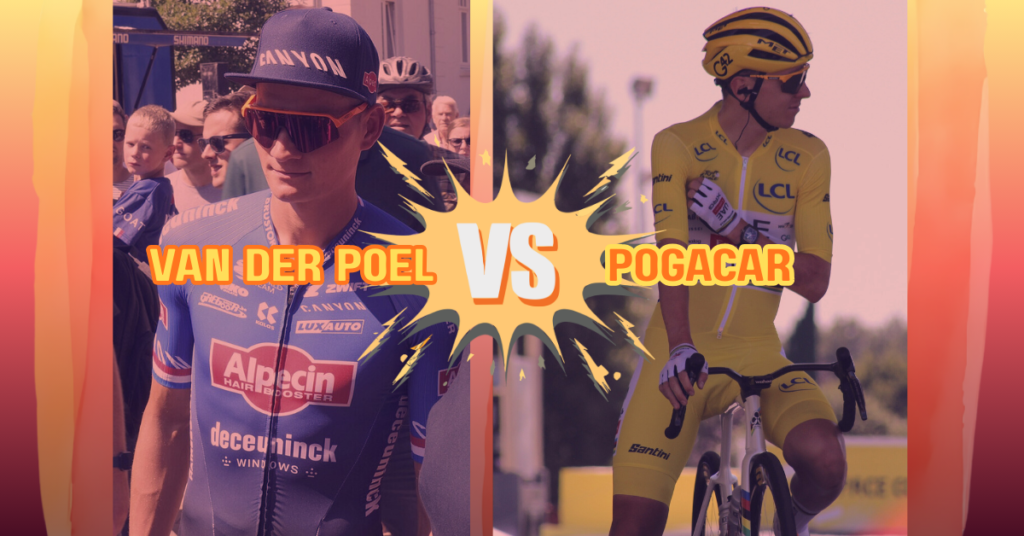
His debut at the Tour of Flanders earlier this month was closely watched, and for good reason! For a rider with less experience on the Flemish cobbles than his peers Tadej Pogačar and Mathieu van der Poel, making the podium was a huge marker of success. It demonstrated that this new, Red Bull-ified Remco is a bit more robust and tactically versatile than he was with his former team. In fact, he looked confident, practiced, and strong on the Koppenberg and the Oude Kwaremont, making his competition take notice in a way they might not have in years past.
A confirmation in the Ardennes.
Evenepoel’s podium in Flanders was a nice surprise. At the Amstel Gold Race last weekend, he further cemented that he’s on the right track. A win over Mattias Skjelmose in the final kilometers wasn’t specifically about power, tactics, or any other one factor. Rather, it showed that Remco has diversified: he still has his strength on the bike, and his potential, but perhaps mixed with a little more tactical maturity. In years past, Remco might have tried to go solo from 40km out, risking a collapse later in the race. But here, he managed the race with better precision, staying upright through some crashes that claimed rivals like Matteo Jorgenson, and delivering a strong sprint to take the win.
Is Remco the ultimate Red Bull marketing dream? Maybe we’re not quite there yet. For those that follow the sport closely, though, it signaled that he has sharpened this year. He’s no longer just trying to hang in there or look for an opportunity to blow the race apart. Now he’s focusing more closely on how to win, even when some factors might not favor him.
That, by itself, will go a long way in big contests later in the season. The big question is still consistency. Can he keep up this level for an entire season? Only time will tell…
Embed from Getty ImagesPerformance engineering at work.
A big part of Remco’s improvements could be due to that old classic: marginal gains.
This shift to Red Bull has clearly given Evenepoel some access to a different tier of marginal gains polishing and enhancement. For example, reports from the off-season highlighted his work with aero-expert Dan Bigham, and big blocks of time spent in specialized wind tunnels While Soudal-QuickStep was a legendary team, it lacked that bottomless R&D budget of the Red Bull-backed operation. These differences are what quickly moved them from a regular team to superteam status, and Evenepoel is reaping the benefits.
And it’s not just in the big races. With six stage wins already this year and the General Classification title at the Volta Valenciana, Remco “floor” has simply risen. He’s winning on days where he isn’t at 100%, and that usually means that he’s found a good synergy in his overall season strategy.

The road to July will be the ultimate test.
Despite his spring successes, is reality coming for Evenepoel?
Whatever happens, the debate will truly be settled this summer. Red Bull’s big goal doesn’t center on Evenepoel, but rather something larger: to take down the Pogačar and Jonas Vingegaard duopoly at the Tour de France.
How will they do this? The team will surround Remco with a powerful climbing support that includes (last year’s Tour podium winner) Florian Lipowitz, Jai Hindley, and Aleksandr Vlasov. With this, Red Bull has removed his oldest excuse, that he has a lack of mountain support.
What will he do with this full support? We’ll see! Success isn’t quite in the bag, even to finish in third on the podium behind Pogi and Vingegaard. As Evenepoel tackles the rest of the Ardennes and beyond, the momentum has got to continue growing.
Embed from Getty ImagesSo is Remco living up to the hype after all?
The verdict: yes.
If the 2025 version of Evenepoel was good but occasionally fragile, the 2026 Red Bull version is an improvement… one that seems more sustainable. He has always been able to win any race he starts, but now he genuinely can. It’s just a matter of riding smart and seizing the right opportunities.
Red Bull is ready to, as the slogan goes, give him wings. What he will do with them from here is still up in the air, but so far? He’s got a level of control that’s making a meaningful Tour de France bid seems ever more likely.
So will we have a real three-way fight on our hands this year? From Evenepoel’s perspective, we can sure hope so!

Do you think Evenepoel is living up to his transfer hype? Why or why not? Let us know in the comments or on social media. ★





Leave a Reply