

When I first started cycling, I wanted to see progress in my form and fitness every day. Instead, I felt like my progress was stifled.
Then, I learned one tip that can change every beginner cyclist’s riding habits for the better!
Want to do the same for when the summer riding season is here? I’ll let you in on the secret, and make sure you know how to better plan your rides in the new context. Keep reading to learn how!
How should beginner cyclists plan their rides?
For a beginner cyclist, the initial urge is almost always to chase distance.
That’s because there’s a tangible sense of pride in hitting the 10-mile, 20-mile, or 50-mile mark.
We live in a world of “how far did you go?” even among cyclists. But for those looking to actually get stronger and more efficient on the bike, the most transformative shift in mindset is to stop riding for distance.
Instead, it’s time (pun intended!) to start riding for time.

Mile markers: they lie to you!
When you set out to ride a specific distance, say for example, 15 miles… your brain will instinctively seek the path of least resistance.
Should you pedal slower to “save energy” for the end? Or should you choose the flattest route possible? It won’t make a difference once you see that number click over on your GPS.
When you commit to a time-based goal instead, deciding, for instance, “I am going to ride for 60 minutes today,” you shift your focus from where you are going to how you are exercising your body and getting stronger.
What can this subtle change influence? Tjis framing can unlock several advantages for you. These advantages will help you build your strength faster than simply chasing your next mile milestone.
First, it will help you build up a stronger cardio base and aerobic base. Strength in cycling starts out with your heart and lungs. Cycling is great cardio exercise, and it’s cardio that can be sustained over a longer period because it’s low impact. By riding for a set duration, you allow your heart rate to stabilize in these moderately higher zones. And this consistency is what trains your body to burn fuel more efficiently and improves your endurance.
You can also control the intensity of your ride more effectively when your goal is duration. Here, you are freer to focus on your effort levels. What if you dedicate 15 minutes of your hour to “climbing” (high resistance) or “sprinting” (high cadence)? You won’t have as much worry that these efforts will prevent you from reaching a hypothetical finish line of however many miles.
Riding for time will have a direct impact on your muscle strength, if you do it right. After all, strength is built through consistent “time under tension.” By staying in the saddle for a guaranteed block of time, you’re making sure your legs are getting that sustained stimulus! As a result, they can grow stronger and more resilient.
A way to remove the feeling of failure and ensuring consistent “wins” while training.
I’ve found one thing since I stopped worrying about distance:
Riding for time is incredibly encouraging!
Why is that? Because it’s better for removing the “failure” of a slow day. Think about the last time you wanted to ride a specific distance but went slower than you expected. Is it demoralizing? For sure. But if you only focus on time and ignore distance, that demotivational factor goes away.
On days when your legs feel heavy or the wind is against you, 15 miles can feel like punishment. “It’s not that far!” you might say. You’d be singing a different tune if you couldn’t make it, or if it took you twice as long as normal.
If your goal is simply to spend 45 minutes on your bike and don’t pay atention to distance, you can celebrate a successful ride regardless of how difficult it was.
This mindset fosters consistency. When you stay consistent with riding, it doesn’t matter how far you went or how efficient you were. Every time you get a ride in, you are investing in yourself.
How to successfully ride for time? Implement a “time budget” for your week or month.
Are you looking to see real improvements on your strength and performance as a beginner cyclist? You need to aim for that consistency! But it’s important to stay realistic. How much time can you feasibly spend riding your bike each week?
To maintain a realistic goal, try setting a weekly “time budget.”
This approach is perfect for you if you have limited time allowed to ride your bike during the week. We all have busy schedules, and we can’t all do several hours of Zone 2 a day like the pros. But a time budget for the week (or even for the month if your schedule is more irregular) allows you to plan your biking progress based on what else is going on in your life. Through this, you’ll stay more consistent and start seeing those consistent improvements.
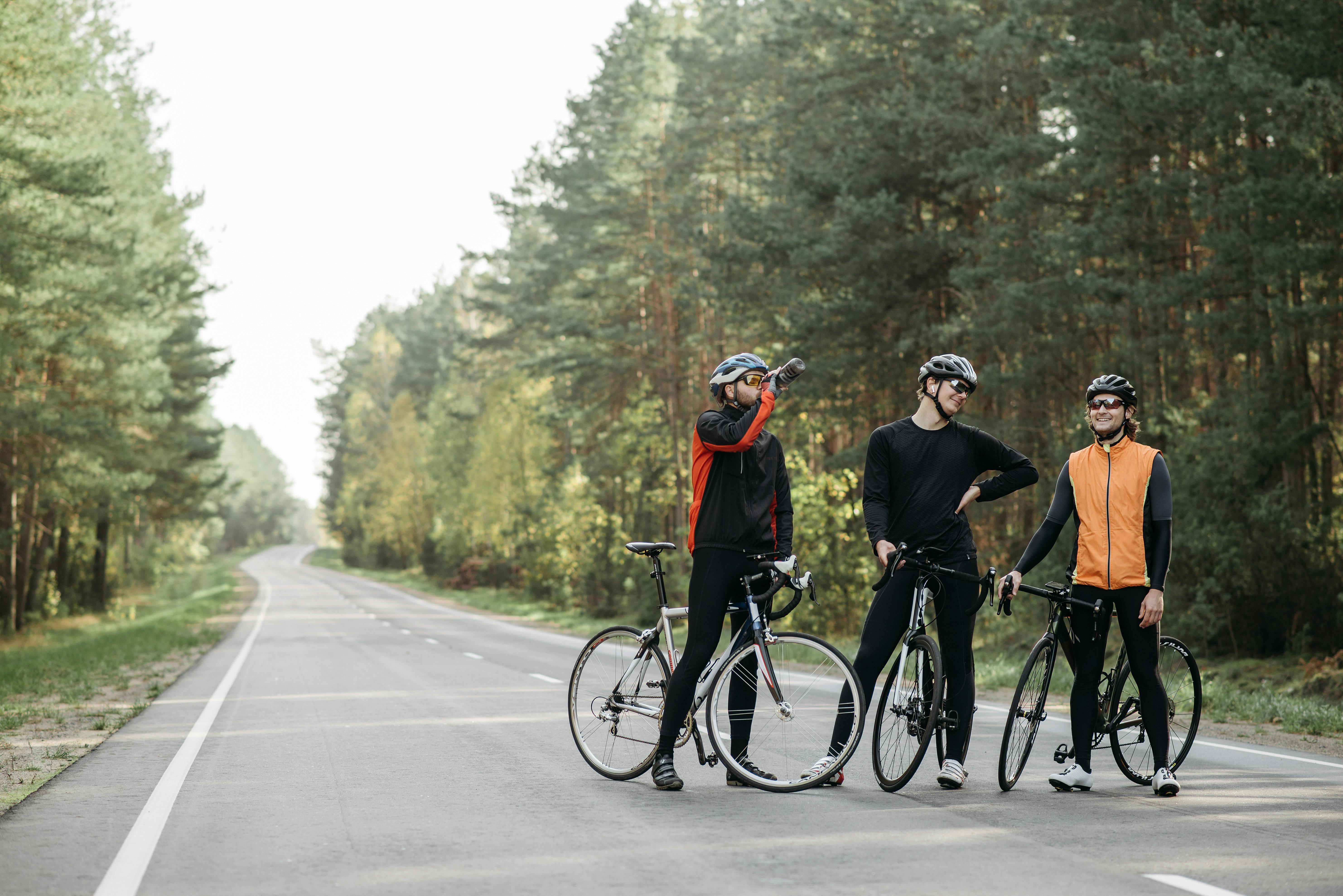
Image from Pexels.
I hope this guide helps you to feel stronger and faster on your everyday rides this summer.
As always, keep enjoying and exploring with your bike! Happy riding!

Are you going to try the trick of riding for time instead of distance? What difference might it make in your cycling habits? Let us know in the comments or on social media! ★








Leave a Reply